Thinking about buying acreage in Foothills County? It can be an exciting move, but it also comes with questions you may never face in town, like how the water system works, whether the septic is in good shape, and if you actually have legal access to the property. If you want more space without more surprises, it helps to understand the rural process before you fall in love with a listing. Here’s what to know so you can buy with more clarity and confidence. Let’s dive in.
Why acreage buying is different
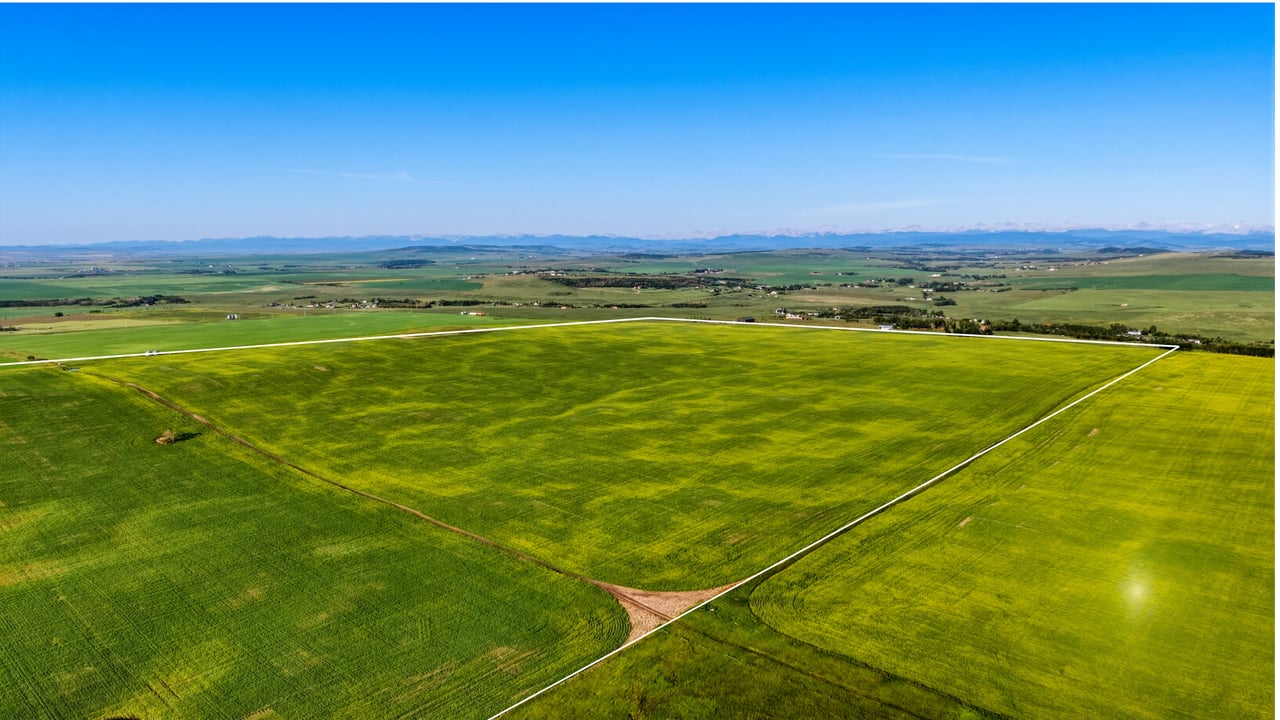
Foothills County is a rural municipality with a strong agricultural land base and rural character. It spans about 3,600 square kilometres and maintains more than 2,000 kilometres of road, so travel time, road upkeep, and access are practical parts of daily life.
Unlike many in-town properties, rural parcels in Foothills County may not have municipal water and sewer service. The county notes that these services are available only in selected hamlets and subdivisions, which means many acreage properties rely on private wells and septic systems.
That one difference changes a lot. When you buy acreage, you are not just evaluating the house. You are also looking at the land, the services, the access, and what the county allows you to do with the property.
Start with financing and your budget
Before you begin touring acreages, it helps to talk with a lender or mortgage broker and get pre-approved. CMHC recommends doing this early so you understand your price range before you shop.
Your budget should also include more than the purchase price. CMHC says buyers should plan for upfront costs like appraisal, home inspection, insurance, land registration, legal fees, prepaid taxes or utilities, repairs, and moving costs.
For acreage buyers, ongoing costs matter too. A larger property may come with higher maintenance needs, utility considerations, and service-related expenses that differ from a standard urban home.
Build the right rural buying team
A strong team can make a big difference when you are buying country property. CMHC’s homebuying guidance points to professionals like a real estate agent, lender or broker, lawyer or notary, home inspector, appraiser, land surveyor, and builder or contractor.
For an acreage purchase in Foothills County, you may also need help from well or septic specialists, depending on the property. County planning staff can also be important when you want clarity on zoning, permits, setbacks, or future plans for the land.
This is where local experience matters. Rural properties often involve more moving parts than a typical subdivision home, so having guidance from someone who understands wells, septic, access, and county bylaws can help you avoid costly assumptions.
Check zoning and county rules early
One of the biggest acreage mistakes is assuming you can use the property however you want. In Foothills County, the Land Use Bylaw 60/2014 governs what may occur on a property based on zoning.
That means you should confirm the land use district, permitted uses, setbacks, and any overlay rules early in the process. A property may look ideal for an outbuilding, a suite, fencing changes, or other future plans, but county rules still apply.
Foothills County also states that a development permit is generally required unless a use or activity is specifically exempted. If you are planning changes after closing, it is smart to verify what approvals may be needed before you buy.
Confirm legal access, not just a driveway
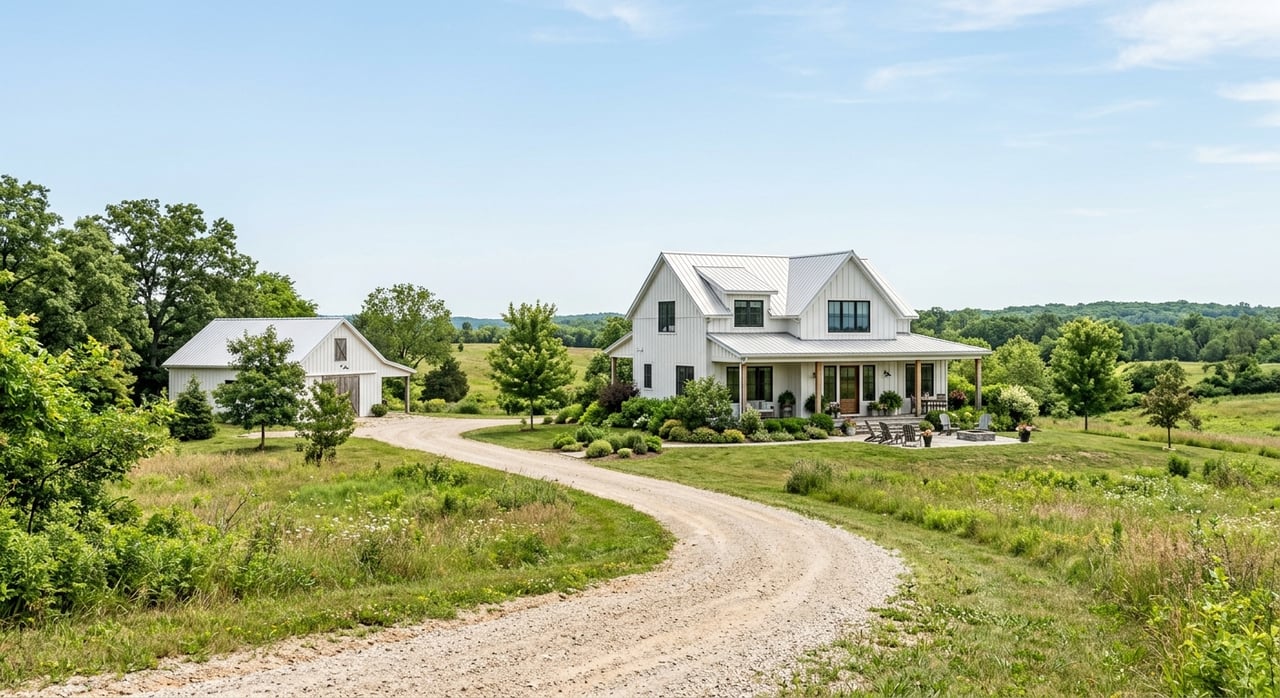
A gravel driveway does not always tell the full story. One of the most important questions with rural property is whether you have legal access, not just visible access.
Foothills County explains that easements and rights-of-way are usually registered on title and remain with the land. These can provide legal physical access or utility access, which makes them a key part of your review.
The county also has a road permit process for rural approaches and posts seasonal road bans when needed. Rural addressing is tied to the property’s primary access point, which is important for 911 and emergency response.
When you assess access, think about more than whether you can pull into the property today. You also want to know if the access is legal, maintainable, and usable year-round.
Review the well history and water testing
If the property uses a private well, water due diligence should be high on your list. Alberta’s Water Well Information Database includes well drilling reports, chemical analysis reports, yield tests, spring records, and other well information that can help you understand the well’s history.
Alberta’s Working Well program says private well owners are responsible for managing and maintaining their wells. Provincial drinking water guidance says private supplies should be tested at least annually, and CMHC also advises testing well water before moving in and at regular intervals after.
As a buyer, you will want to ask practical questions:
- Is there a record of the well?
- Has the water been tested recently?
- Is there information on yield or past performance?
- Will the supply support your intended household use?
A beautiful property can feel very different if the water system is poorly documented or not performing as expected. This is one of the most important rural checks to make before closing.
Inspect the septic system carefully
Acreage buyers should also take septic due diligence seriously. Alberta says the current private sewage standard is the Alberta Private Sewage Systems Standard of Practice 2021 for on-site systems handling less than 25 cubic metres of sewage per day.
The province also says contractors must have a current certificate of competency to obtain permits for private sewer system design and installation. For buyers, that makes the septic permit history, system age, tank location, and maintenance record especially important.
CMHC also notes that if a home has a septic tank, it should be inspected to make sure it is working properly. That inspection cost should be part of your buying budget from the start.
You should not assume a system is adequate just because it is there. Ask whether it was permitted, whether it has been maintained, and whether it fits how you plan to use the property.
Understand setbacks and buildable area
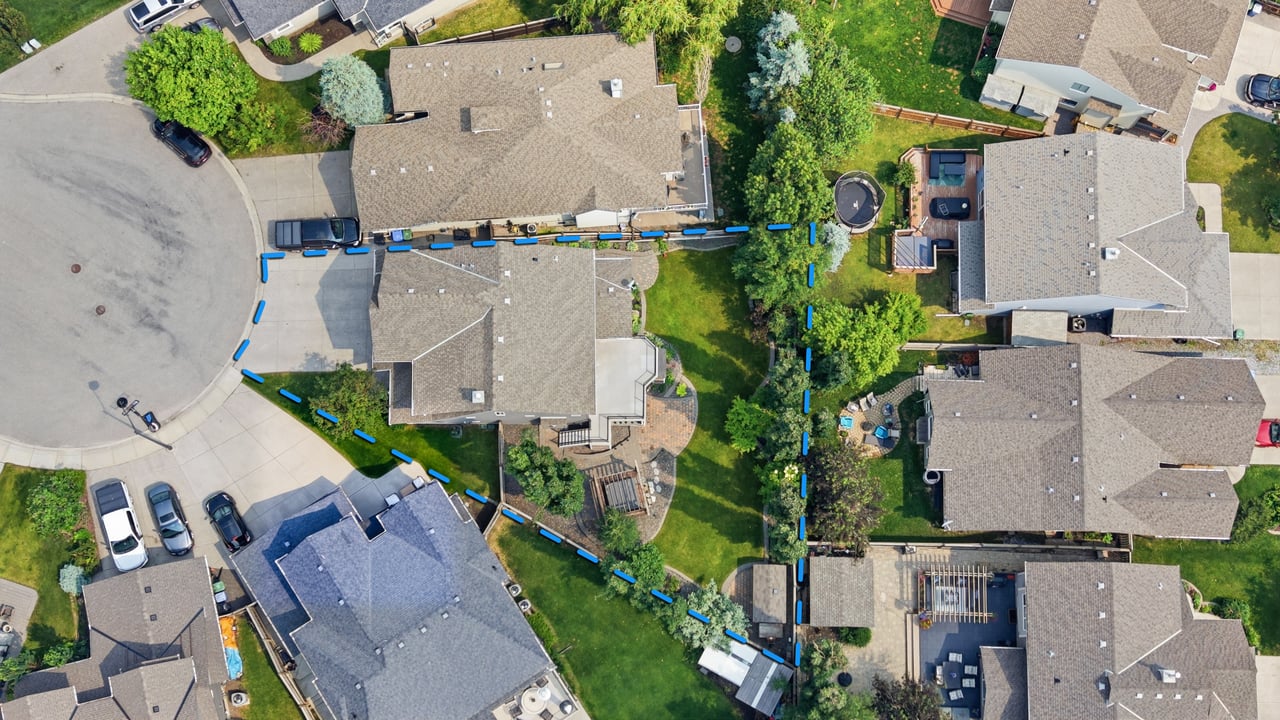
One of the most common surprises with rural land is that the full parcel may not be fully usable. Foothills County says minimum setbacks can apply to property lines, roads and highways, hazards, environmentally sensitive areas, slopes, landfill buffers, and energy facilities.
The county also uses a Riparian Setback Matrix Model for lands near watercourses and identifies Environmentally Significant Areas as landscapes to conserve. Hazard lands may include active or abandoned oil and gas wells, mines, unstable slopes, and subsidence.
In plain language, that means a large parcel may still have limits on where you can build, excavate, fence, or place outbuildings. If you are buying vacant land or hope to add structures later, this step matters a lot.
Foothills County also states that no construction, including excavation or foundation work, may begin until a permit is issued. If future improvements are part of your plan, make sure you understand what the county will allow before you commit.
Ask whether future projects need permits
If you are dreaming about a shop, barn, addition, suite, or other changes, bring those questions up early. Foothills County says a development permit is generally required unless a project is specifically exempted.
That does not mean every plan is impossible. It simply means you should confirm the process, the property’s zoning, and any restrictions before treating a future idea as a sure thing.
This step can protect both your budget and your expectations. It is much easier to ask questions before you buy than to discover limits after possession.
Know what your lawyer helps verify
Your lawyer or notary plays an important role in the purchase. CMHC says this professional helps protect your legal interests, reviews contracts before signing, and checks whether the property is free of liens, charges, and work or cleanup orders.
For rural properties, CMHC also notes that a bank or credit union may ask for a survey or certificate of location before finalizing the mortgage. Title insurance may also be suggested to help cover certain title problems.
This can be especially relevant when lot lines, easements, or access routes need to be confirmed. On acreage, those details can affect how you use the property long after closing day.
What closing usually looks like
As your purchase wraps up, CMHC says final signing usually happens at the lawyer or notary’s office. This is where mortgage funds are delivered, closing costs are paid, and title is registered.
By this stage, you want the major due diligence items addressed. That includes financing, inspections, access review, and a clear understanding of the property’s services and county rules.
Acreage buying can feel more complex than buying in town, but it becomes much more manageable when you follow a clear process. With the right preparation, you can move forward knowing you have looked at both the home and the land with open eyes.
If you are considering a move to country property in Foothills County, working with someone who understands the rural details can make the process smoother from day one. When you are ready to talk through acreage options, due diligence, or your next move between Calgary and the Foothills, connect with Heather Tarras.
FAQs
What makes buying acreage in Foothills County different from buying in town?
- Many rural properties in Foothills County rely on private wells and septic systems, and county rules on zoning, setbacks, access, and permits can have a big impact on how you use the land.
What should I check first when buying acreage in Foothills County?
- Start with mortgage pre-approval and a realistic budget, then review zoning, legal access, water, septic, and any county rules that could affect your plans for the property.
How do I verify a water well on a Foothills County acreage?
- You can review available well records through Alberta’s Water Well Information Database and ask for recent water testing, well history, and any available yield information.
How important is a septic inspection for a rural Foothills County property?
- It is very important because you want to confirm the system is working properly, understand its age and maintenance history, and verify any permit-related documentation.
Do I need to confirm legal access on a Foothills County acreage?
- Yes. You should confirm legal access through title review, including any easements or rights-of-way, rather than assuming a visible driveway means access is fully in place.
Can I build a shop or make changes on acreage in Foothills County without permits?
- Not necessarily. Foothills County says a development permit is generally required unless a project is specifically exempted, and no construction can begin until required permits are issued.