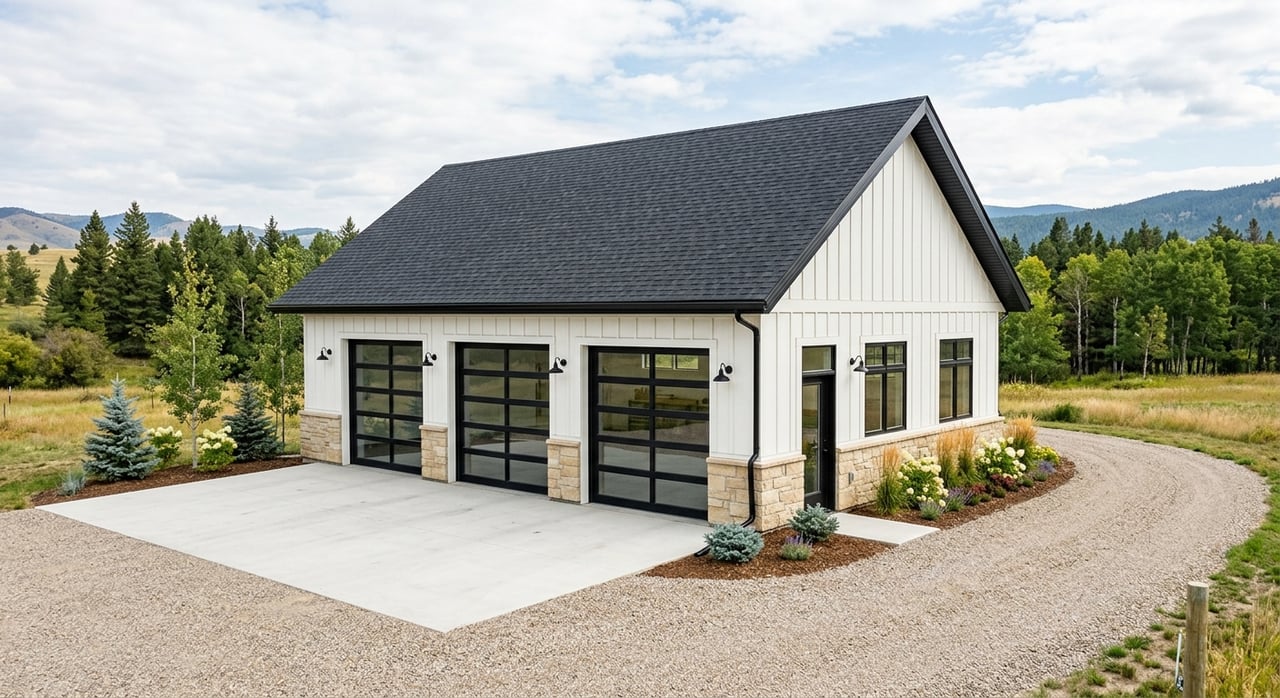
Wondering why some Foothills County acreages attract confident offers while others stall? It usually comes down to two things: how the property shows and how easy it is for buyers to understand what they are buying. When you prepare your acreage with both presentation and paperwork in mind, you can reduce questions, limit surprises, and make your property feel easier to move forward on. Let’s dive in.
Why acreage prep is different
Selling an acreage in Foothills County is not the same as selling a standard in-town home. Buyers are evaluating the house, but they are also looking closely at the land, access, outbuildings, utility systems, and how the whole property functions together.
That matters even more in Foothills County because local rules can affect visible features across the parcel. The county’s Land Use Bylaw 60/2014, with amendments adopted December 3, 2025 under Bylaw 68/2025, governs what may occur on a parcel, and setback rules may apply to items like outbuildings, fencing, decks, fire pits, ponds, pools, hot tubs, and more.
Start with exterior presentation
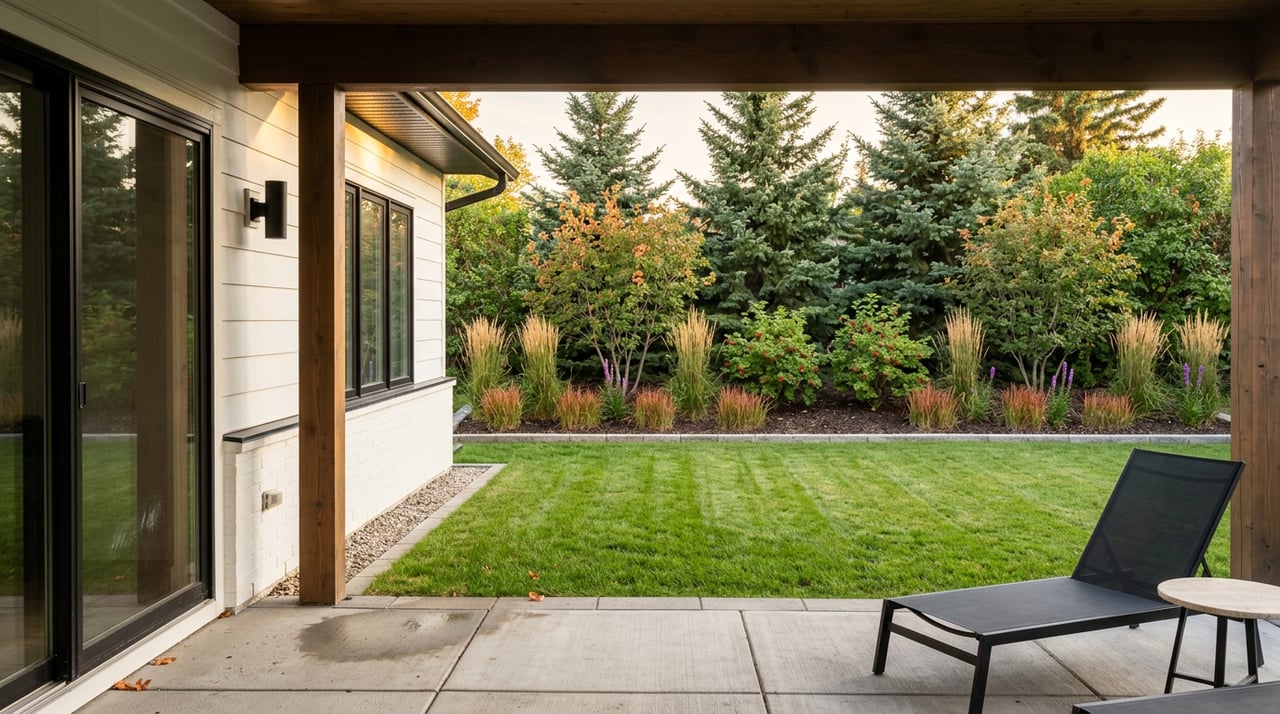
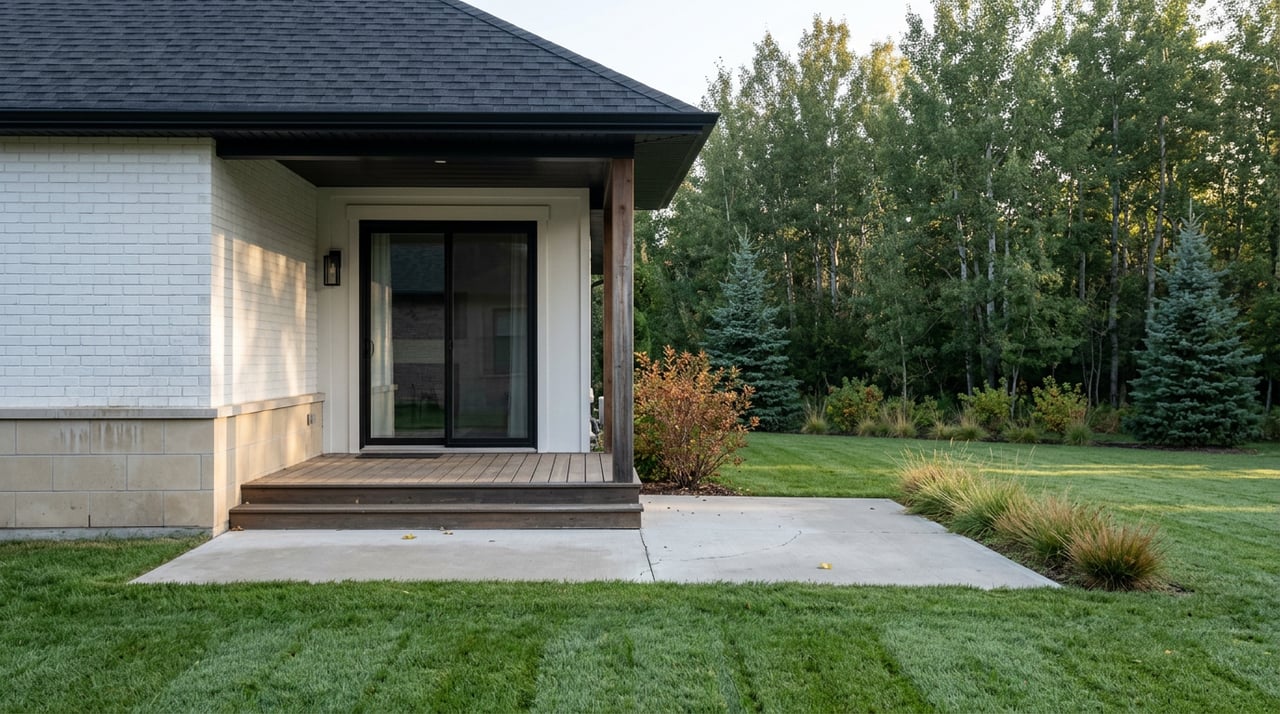
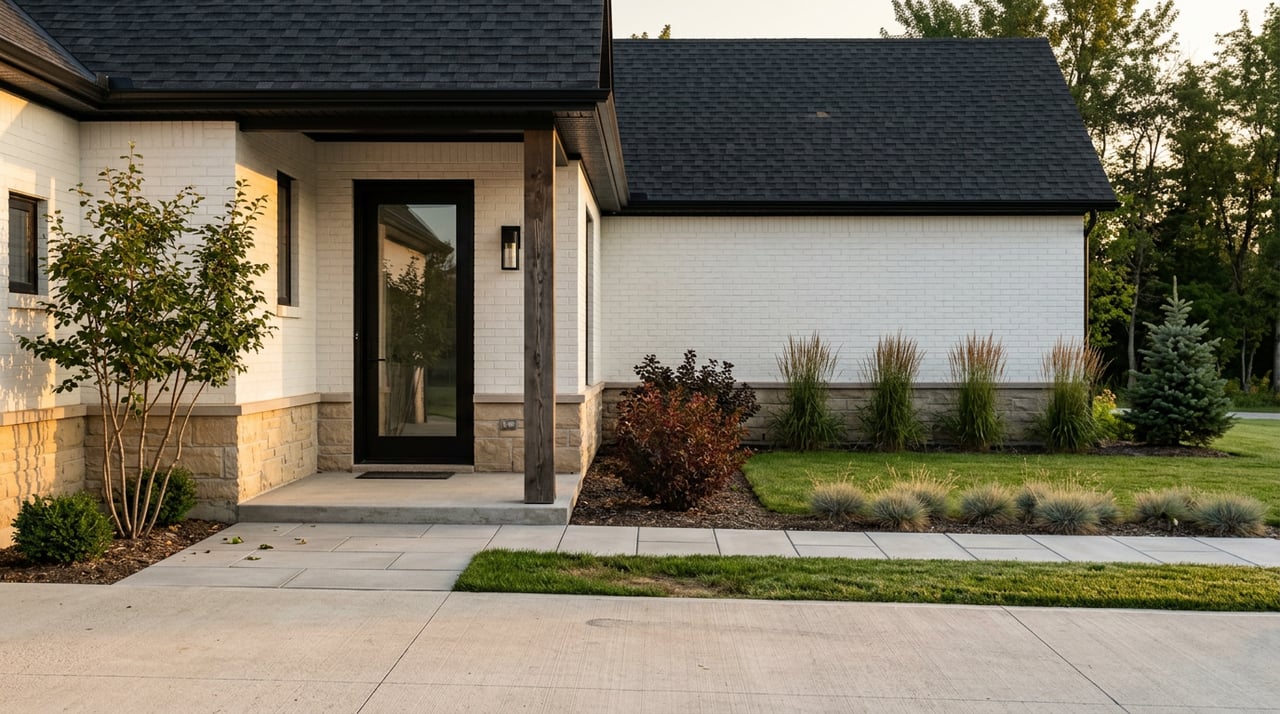
First impressions on an acreage happen long before a buyer reaches the front door. The driveway approach, yard, landscaping, shop space, and the way structures sit on the land often shape a buyer’s opinion right away.
A smart first step is to remove obvious clutter and make working areas easier to understand. Buyers usually accept that an acreage is a working property, but they still want to see tidy, safe, and intentional storage rather than scattered materials or equipment.
Foothills County’s Community Standards Bylaw brochure also gives you a useful lens for cleanup. It addresses issues such as unsightly premises, weeds, littering and dumping, construction materials, and manure management, all of which can affect how cared-for your property feels during showings.
Focus on what buyers notice first
When you are getting ready to list, pay close attention to:
- The driveway entrance and approach
- Yard maintenance and weed control
- Visible debris or scrap materials
- Sheds, barns, shops, and garages
- Equipment parking and storage areas
- Outdoor living spaces like decks and fire-pit areas
- Open sightlines to the home, yard, and views
If a buyer can quickly understand the layout and purpose of each area, the property tends to feel more manageable and more appealing.
Be careful with last-minute curb appeal projects
It can be tempting to add screening, build a fence, or adjust landscaping right before listing. In Foothills County, that deserves a second look.
The county notes that landscaping and fencing can be subject to setback rules, and some solid fences or shelterbelts must be placed a minimum distance from municipal roads, secondary highways, and primary highways. Before making changes meant to improve curb appeal, it is worth checking whether the work could create a compliance issue instead.
Verify structures and setbacks
One of the biggest acreage sale delays happens when buyers start asking, “Was that building permitted?” or “Does that structure meet setbacks?” Those questions often come up with detached garages, shops, barns, sheds, sea-cans, older additions, and secondary living spaces.
A helpful way to think about your property is this: verify what is permitted, what was approved, and what is merely sitting on the parcel. That simple review can uncover issues early, while you still have time to address them.
What Foothills County reviews
Foothills County offers letters of compliance or zoning. The county says a compliance letter is based on a Real Property Report, also called an RPR, or a Surveyor’s Certificate.
The county reviews the RPR for setback compliance and notes that all roofed structures on the property are evaluated, even those on skids. Above-grade decks are also checked because they are subject to development setbacks under the Land Use Bylaw.
Accessory buildings need attention
Accessory structures are a common trouble spot on acreages. Foothills County says some detached accessory buildings at or below 224 square feet may not require a development permit if they meet land-use rules, but larger accessory buildings often do, and all accessory buildings still need to meet setback requirements.
If you have a detached suite or converted shop, review that space carefully before listing. The county says detached secondary suites require development permit approval, an approved building permit, compliance with applicable building and safety codes, and proof of adequate water and sanitary sewer servicing.
Gather your RPR early
If you only prepare one document before listing, make it your RPR. For many acreage sellers, this is the document that answers the most buyer questions up front.
The Alberta Land Surveyors’ Association says an RPR shows property boundaries, visible improvements, and registered easements or rights-of-way. On a rural property, that helps buyers understand what is actually on the land and how improvements relate to boundaries and access.
Foothills County says that when requesting a compliance letter, it asks for at least one original RPR less than one year old, or an older RPR if nothing has changed and it is supported by a signed affidavit. RECA also notes that most standard residential purchase contracts require the seller to provide a current RPR with evidence of municipal compliance or non-compliance.
Why the RPR matters so much
A current RPR can help you:
- Confirm property boundaries
- Show visible structures and improvements
- Identify easements or rights-of-way
- Support a compliance letter request
- Reduce negotiation friction later
If you wait until you are under contract to sort this out, missing information can become a stressful timeline issue.
Organize well records before listing
On an acreage, water questions come early. Buyers want to know where the well is, what its history looks like, and whether recent testing is available.
Health Canada says private well owners are responsible for monitoring and maintaining water quality. It recommends microbial testing at least every six months and general water-quality testing every two years.
For a sale, there is an important Alberta-specific detail. Alberta Health Services says it only tests drinking-water samples, not samples collected for real-estate purposes, so sale-related testing must be sent to a commercial lab and paid for by the owner.
Pull together a simple well file
Before your home hits the market, try to gather:
- The well report n- Recent water test results
- The well ID or well depth, if available
- Records for filters, pressure tanks, or treatment equipment
- Service or repair history
If you are missing older records, the Alberta Water Well Information Database can be a useful source because it contains drilling reports, chemical analysis reports, geophysical logs, and yield tests.
Prepare septic documents too
Septic systems can make buyers nervous when records are hard to find. A clean, organized file helps reduce hesitation and shows that the system has been responsibly maintained.
Alberta’s private sewage rules say the owner must ensure the system is maintained, operated within its design parameters, and able to effectively treat wastewater. The standard also says an operations and maintenance manual must be made available to the owner before the system is put into operation, and components requiring regular maintenance must be readily accessible from the ground surface.
What to collect for septic
A strong septic document package usually includes:
- The operations and maintenance manual
- Pump-out receipts
- Service records
- Installer information
- Repair history
- Records for alarms, filters, or related equipment
Even if everything is working properly, having these records ready can make your property feel more transparent and lower risk.
Consider a pre-listing inspection
A pre-listing inspection is optional, but on an acreage it can be especially useful. Rural properties often have more systems, more structures, and more moving parts than a typical residential listing.
Alberta says buyers may consider inspecting major systems such as plumbing, electrical, heating and cooling, plus exterior components like the roof and siding, and it notes that residential purchase contracts often include a home-inspection condition. The province also requires home inspectors and inspection businesses to be licensed, bonded, and insured, with a written contract and a written report.
CAHPI says a pre-listing inspection can identify major defects before the property is marketed and can give buyers more confidence because the condition is documented in writing. For an acreage, it is wise to make sure the inspection scope clearly names the items you want assessed rather than assuming they will be included.
Ask for an acreage-specific scope
If you choose a pre-listing inspection, ask whether the written contract will include:
- The house and major systems
- Well equipment
- Septic components
- Detached garage
- Shop or barn structures
- Sheds or other outbuildings
That way, you can learn about issues before a buyer uses them as negotiation points.
Create a buyer-ready acreage package
The best acreage listings do more than look good in photos. They also make it easy for buyers to review the practical details that matter.
A simple seller package can help reduce uncertainty and keep deals moving. It does not need to be complicated, but it should be organized and easy to understand.
Your pre-listing checklist
Before you go live, aim to have these items reviewed or ready:
- Cleanup of yard, storage, and visible work areas
- Review of structures, additions, and setbacks
- Current or updated RPR
- Compliance letter process underway, if needed
- Permit records for major buildings or suites
- Well report and recent water testing
- Septic manual, service records, and pump-out receipts
- Pre-listing inspection report, if completed
When buyers can see both care and documentation, your property often feels easier to trust.
Why this preparation pays off
Acreage buyers are not just buying a home. They are buying a system of land, buildings, utilities, and uses that all need to make sense together.
When you clean up the site, verify visible improvements, and organize your documents before listing, you reduce the unknowns that often slow rural transactions down. That kind of preparation can lead to smoother showings, stronger buyer confidence, and fewer surprises once you are under contract.
If you are thinking about selling your Foothills County acreage, working with a local expert who understands county rules, rural systems, and how to position acreages for the market can make the process much easier. For practical guidance and boutique support, connect with Heather Tarras.
FAQs
Do I need a current RPR to sell an acreage in Foothills County?
- Foothills County says its compliance-letter process asks for an RPR, and most standard residential purchase contracts in Alberta require the seller to provide a current RPR with evidence of municipal compliance or non-compliance.
What documents should I gather for a Foothills County acreage well?
- Start with the well report, recent water test results, well ID or well depth if available, and any records for filters, pressure tanks, treatment equipment, or repairs.
How recent should water testing be for a Foothills County acreage sale?
- Health Canada recommends microbial testing for private wells at least every six months, and Alberta Health Services says sale-related samples must go to a commercial lab rather than AHS.
What should I do if my Foothills County acreage has a detached suite or converted shop?
- Review the approvals before listing, because Foothills County says detached secondary suites require development permit approval, an approved building permit, code compliance, and proof of adequate water and sanitary sewer servicing.
Should I get a pre-listing inspection for a Foothills County acreage?
- It is optional, but it can be a practical step because Alberta purchase contracts often include an inspection condition, and a pre-listing inspection can identify issues before buyers do.